To many eyes, the small coastal village of Napir in Temotu Province, North East Santa Cruz is a tropical paradise. But the reality for this village and many others in the province is one of food scarcity, failing health and hardship. Growing or even buying fresh fruit and veggies is a significant challenge, made worse by declining soil fertility and climate change.
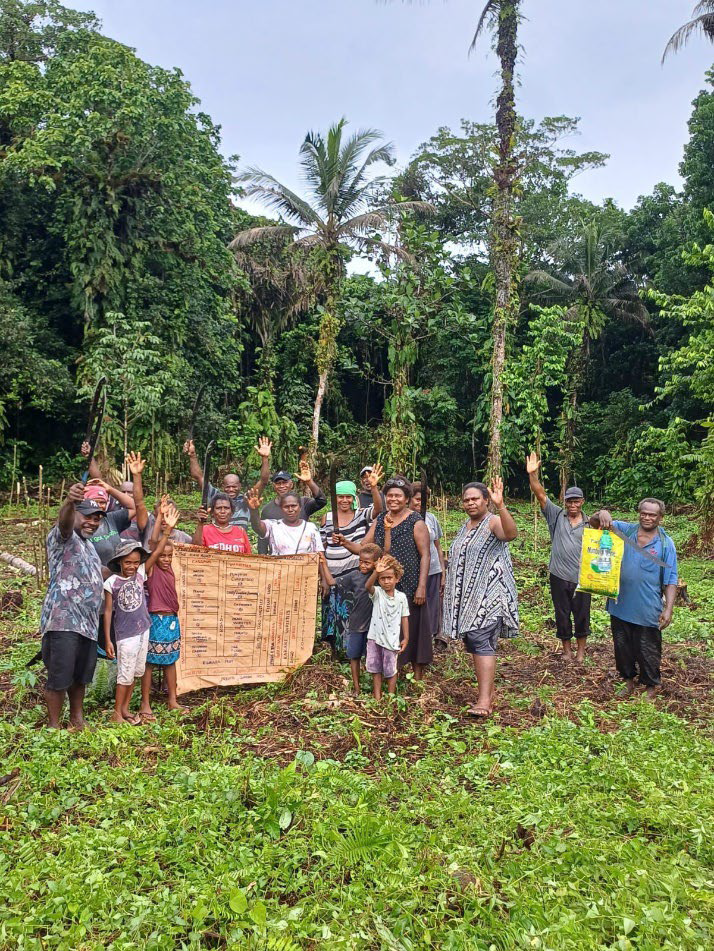
To help the Napir community grow nutritious food once more and reduce their reliance on unhealthy imported foods, ChildFund started with a demonstration garden. Where locals could learn about composting, planting, harvesting and cooking the crops they grow. Training sessions were held by a retired agricultural specialist and combined theory with practical demonstrations.
As a result, the community has begun harvesting, selling surplus produce and replanting to ensure ongoing crops. Backyard gardens have also been planted with 48 households receiving tools and seedlings. At Napir’s Mona School, a garden and nursery has also been established to teach the next generation about the importance of nutritious food. And to give families access to nutritious home grown food all year round, a small building is being built to house a solar-powered freezer. (192)