In many schools in Papua New Guinea’s highlands, historical conflicts often spill over in the classroom leading to fights and damage to school property. Sometimes the fights can be so violent, pupils are forced to leave for their own safety and some never come back.
School fights between students in Papua New Guinea can often stem from a variety of factors – cultural norms often condone or even encourage physical aggression to resolve conflicts or assert dominance. It’s tribal and deeply engrained. Young men asserting themselves to establish their rank and gain respect. Whether it’s in class or against other schools, this violence doesn’t just traumatize children, it damages futures.
ChildFund recognised that students lacked basic conflict resolution skills and an absence of disciplinary measures within schools contributed to the prevalence of fighting among male students.
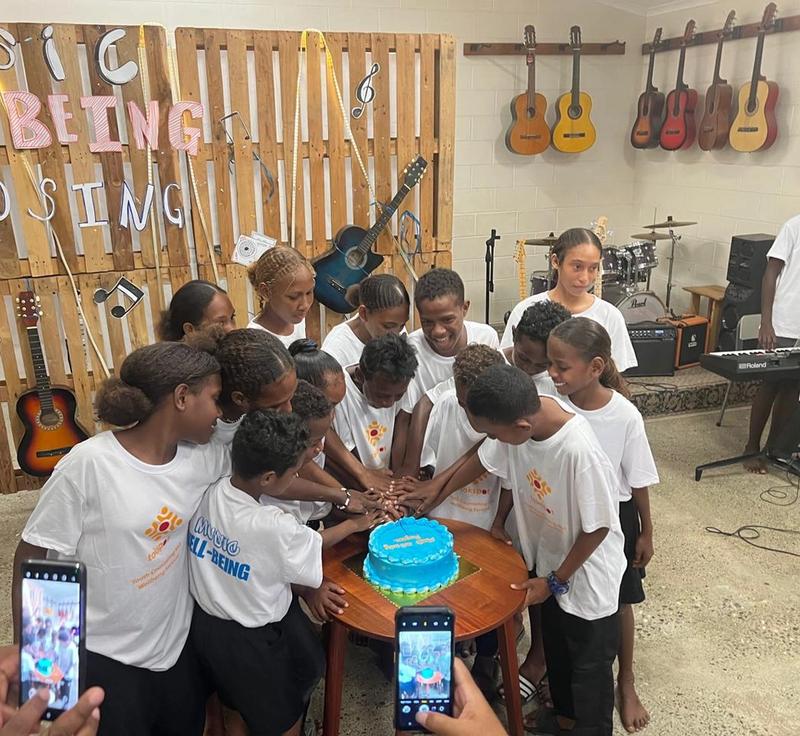
So, in 2023 ChildFund PNG conducted a Student Leadership Training partnership with the National Department of Education at Don Bosco Technical Institute. It covered 17 schools with 11,813 students.
The leadership training focused on 5 “R”s at 17 schools with 11,813 students:
- RIGHTS in a relationship
- RESPONSIBILITIES in an intimate relationship
- RESPECT in a relationship
- RELATIONSHIPS including healthy choices (STI and HIV)
- RESILIENCE in any situation
After the courses, teachers quickly noticed changes in behaviour with boys being more open-minded towards each other, not taking things too personally and resolving conflicts without fighting or aggression.